Signed in as:
filler@godaddy.com
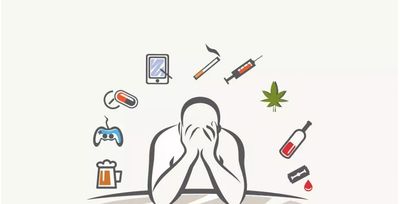
Addiction can take many forms. Alcohol and drugs are the most visible, but compulsive patterns develop around gambling, pornography, food, exercise, social media, self-harm and work too. The substance or behaviour varies considerably. The underlying structure is often remarkably similar.
At its core, addiction involves repeated engagement with something that provides short-term relief despite longer-term cost. Over time, the behaviour narrows choice. What began as optional becomes difficult to resist. The gap between what you intend and what you actually do gets wider.
It's rarely only about the substance itself. Addiction tends to serve a function — relief from anxiety, escape from shame, a way of regulating anger or numbing grief that has nowhere else to go. Sometimes it offers a predictable form of comfort in a life that feels unstable or internally conflicted. That function matters, and understanding it is part of the work.
In my experience, compulsive behaviours usually sit on top of something else. Difficulty tolerating certain emotional states. Harsh self-criticism. Loneliness that hasn't been named. High pressure with no real outlet for vulnerability. The addictive behaviour becomes a way of managing what feels otherwise unmanageable — and for a time, it works. That's part of why it's so hard to stop.
Insight alone rarely breaks the cycle. Addiction is reinforced behaviourally and neurologically, which means the work needs to be structured and deliberate. We look carefully at triggers, routines and the internal logic that keeps the pattern running. From there, we develop realistic strategies for interruption and replacement, alongside a deeper exploration of what's actually driving it.
For some people, individual therapy is enough. For others, group programmes — AA, NA or similar recovery communities — provide essential structure and accountability that one-to-one work can't fully replicate. Many people benefit from combining both. Stability tends to grow when there is psychological understanding and behavioural containment working together.
Addiction affects more than the individual. Relationships strain. Trust erodes. Shame deepens the cycle, making it harder to reach out — which is precisely when reaching out matters most. Breaking that isolation is often where recovery begins.
Progress doesn't usually mean eliminating all vulnerability to relapse from one day to the next. It means building a life that no longer depends on the addictive pattern for regulation. That involves learning to sit with discomfort without immediately escaping it, revising long-held beliefs about yourself, and finding alternative sources of connection and meaning that actually hold.
If you're living with a pattern that feels increasingly out of control, it's worth talking about it. We'd look at what the behaviour provides, what it costs, and what would need to change for things to be different. Addiction can feel deeply entrenched. It is also treatable — when approached with clarity and without judgement.
Psychotherapy, Counselling & Coaching in Shoreham-by-Sea & Online